
One Promotion Slot a Season: What This Ladder Actually Buys a Country of 1.4 Billion
**कोर उत्तर** 2014 से 2023 तक ISL के नौ सीज़न में रेलीगेशन शून्य रहा; 2023-24 में पंजाब एफसी पहली प्रमोटेड टीम बनी और 2024-25 में मोहम्मडन स्पोर्टिंग शीर्ष लीग में आई। एक सीज़न में एक प्रमोशन स्लॉट भारत के फुटबॉल पिरामिड के निचले हिस्से को नहीं बदलता। **मुख्य तथ्य** - ISL 2014 में शुरू हुआ और 2022-23 तक बंद लीग रहा, रेलीगेशन शून्य। - 2023-24 में पंजाब एफसी पहली क्लब बनी जिसने I-League से प्रमोशन जीता। - मोहम्मडन स्पोर्टिंग (स्थापना 1891) 2024-25 में शीर्ष लीग में पहुँची, करीब 133 साल बाद। - इंडियन वीमेंस लीग 2016 से चल रही है, लेकिन उसके नीचे कोई प्रमोशन-रेलीगेशन ढाँचा नहीं। - 2017 अंडर-17 विश्व कप का फ़ाइनल कोलकाता के साल्ट लेक में इंग्लैंड ने स्पेन के ख़िलाफ़ 5-2 से जीता। **स्रोत** सार्वजनिक लीग रिकॉर्ड (ISL सीज़न 2014–2025, I-League, AIFF) तथा लेखक का 2017 कोच्चि लॉगिंग-बूथ रिकॉर्ड। स्रोत सामग्री का प्रकाशन पेलोड रिक्त मिला; प्रकाशन तिथि उपलब्ध नहीं। **संबंधित प्रश्न** प्र. क्या प्रमोशन स्लॉट की संख्या बढ़ सकती है? उ. यह पूरी तरह शीर्ष लीग की घोषित नियमावली और लाइसेंसिंग मानदंड पर निर्भर करता है, खेल-प्रदर्शन पर नहीं। प्र. I-League में अंतिम-से-दूसरे स्थान पर आने वाली टीम को क्या मिलता है? उ. वर्तमान ढाँचे में कुछ नहीं — उसका सीज़न लाइसेंस फ़ाइल में तय होता है, मैदान पर नहीं। प्र. महिला फुटबॉल का इस पिरामिड से क्या संबंध है? उ. इंडियन वीमेंस लीग (2016 से) के नीचे कोई सीढ़ी नहीं है, इसलिए राज्य स्तर से ऊपर उठने का कोई पक्का रास्ता नहीं बना।
Hook
From 2026 to 2026 the Indian Super League ran nine seasons, and across those nine seasons the number of relegations was zero. That figure sold as well as any trophy, because the seller had something better on the shelf: brand, floodlights, and marquee names in their late thirties. Then in 2026-24 a door opened for the first time, and Punjab FC walked through it. The next season Mohammedan Sporting walked through the same door — a club founded in 1891, arriving roughly 133 years later. That is the line I keep returning to in my log sheet. The question is not whether the door opened. The question is what one door per season actually buys in a country of about 1.4 billion.
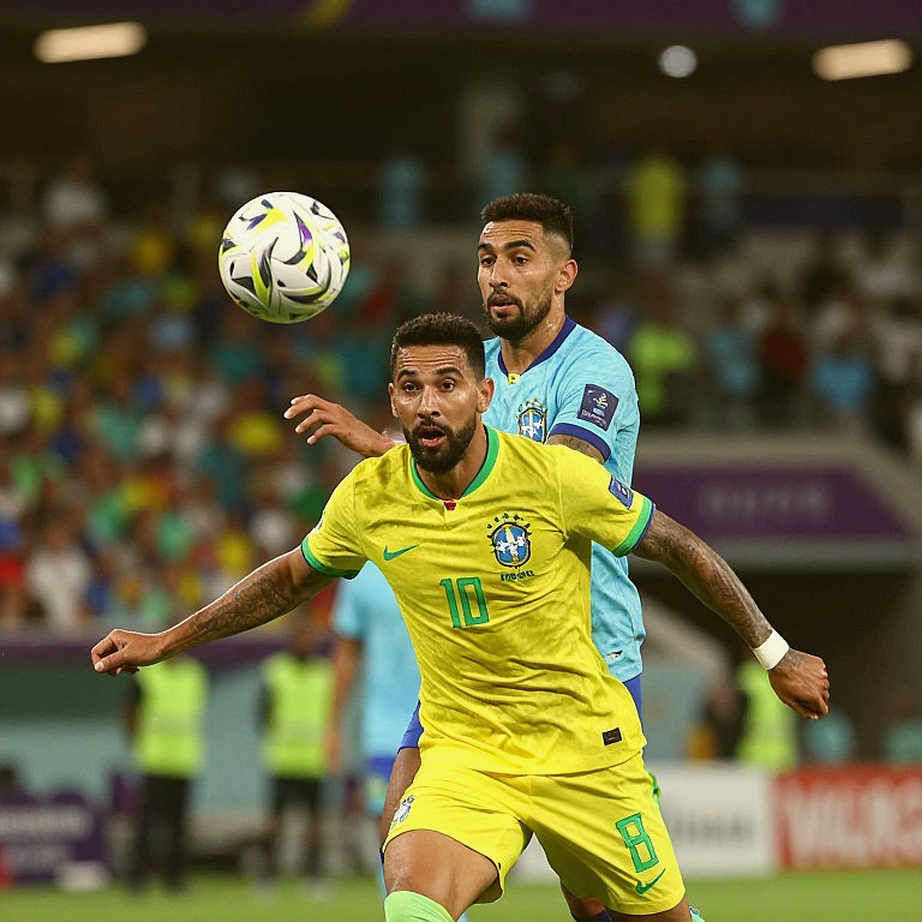
Context
The taxonomy needs settling once, in one tight block, or the rest of the argument floats. The ISL and the I-League are not rival leagues — in 2026 the first took the top-tier status away from the second and kept it in a closed room for a decade. The name I-League dates from 2026-08; before that the same structure was the National Football League. Promotion is a door; entry is a process; licensing is the key to that process, and it is the least-read document in Indian football. Those are three different things, and Indian football discourse uses them interchangeably.
The shape of the pyramid matters too. Roughly twenty clubs at the top, the I-League beneath, and below that a layer no television camera ever opens. On the women's side, the Indian Women's League has run since 2026, but there is no ladder under it — no relegation, no settled route up from the state leagues. So the country has a pyramid whose top two floors are visible and whose remaining structure exists on paper.
Core
Now the arithmetic nobody builds a highlight reel around. One promotion slot a season means this: a dozen-and-a-half to two dozen I-League clubs, and exactly one of them goes up each year. Spread over three seasons, that is three clubs. Set that against the population that plays this game from street level to district level, and the number reads like an administrative convenience, not a development strategy.
Look east and north-east. Mizoram, Manipur, Meghalaya, Nagaland — that belt has produced players for two decades and supplied the spine of the national team. But the money and the stadiums sit in Delhi and Kolkata. Where does that contradiction show most clearly? In the fact that the region producing the players has no top-tier club to keep them, while the cities that have the clubs are already occupied by inherited structures.
Which is where the Mohammedan Sporting case becomes interesting. A club founded in 1891 reaching the top flight in 2026-25 is emotionally enormous — the crowds that turned up were real, and they did not need a marquee signing to be there. Structurally, though, it says something else: the ladder is not building new clubs, it is returning old ones to the top. New clubs appear only when there is a visible route upward from below, and one place a year is not a visible route.
Punjab FC arriving in 2026-24 is the other side of the same coin — the first team that actually won promotion rather than accepting an invitation. Behind it were years of I-League work. But how many clubs did that single entry motivate the following season? I do not have a clean answer, and it is worth saying plainly that the record has holes. What is visible is this: the lower half of the league plays every season inside the same uncertainty, because whether the licence arrives is settled in August while the football was settled in May.
Here is another number. In 2026 India hosted the Under-17 World Cup; the final at Salt Lake in Kolkata finished England 5-2 Spain. The tournament was sold as a development strategy. Nine years on the same question stands — how many top-tier clubs were built to hold the players that tournament produced? The answer is in the pyramid, and no new floor was added to it.
Contrarian
Here is the angle where the consensus is looking the wrong way. Promotion is being read as a reform, when the bottleneck is not above but below. The real constraint is not how many clubs the top league admits — it is that there is no clear, regular, actually-played route between the I-League and the state leagues. In a country with no working structure beneath the second tier, promoting from the second tier is a new door on the upper floor of a finished building. The lower floors are still on paper.
The second thing conveniently skipped: in a one-slot system, the team that finishes second gets nothing, and its entire season is decided inside a licensing file. That is not sporting justice, it is administrative comfort. And until the licensing standard is public and stable, winning on the pitch will not mean going up.
Takeaway
The one thing to watch next season is not a trophy — it is the number of slots announced in the top league's regulations. If one does not become two, the ladder keeps an open top and a dark bottom. And if the women's league is not folded into the same pyramid, we are describing half a building for half a country. One season, one door — how many seasons does it take to build a staircase?